12.09c
Երեվան
շբթ, հկտ 17


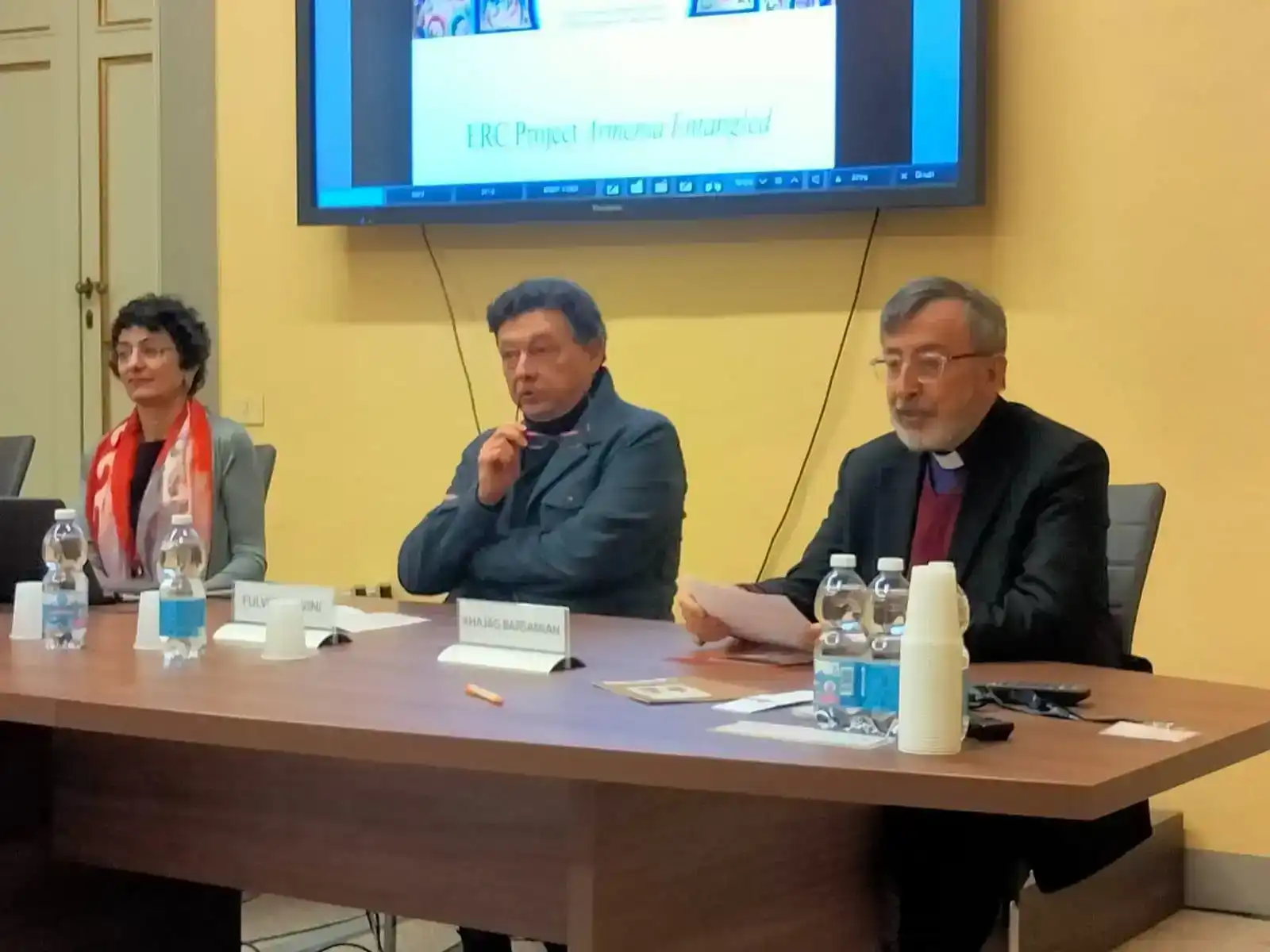
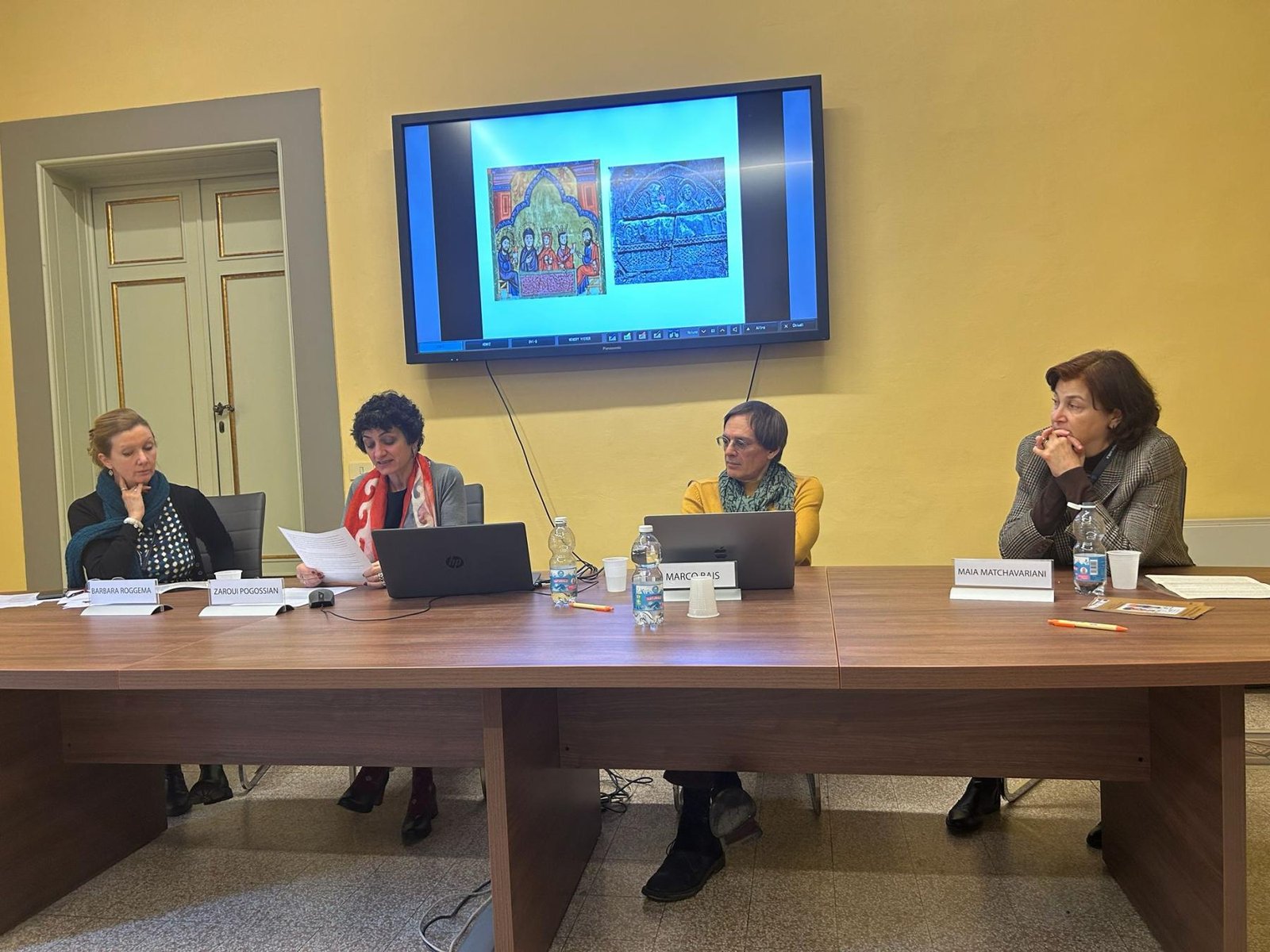
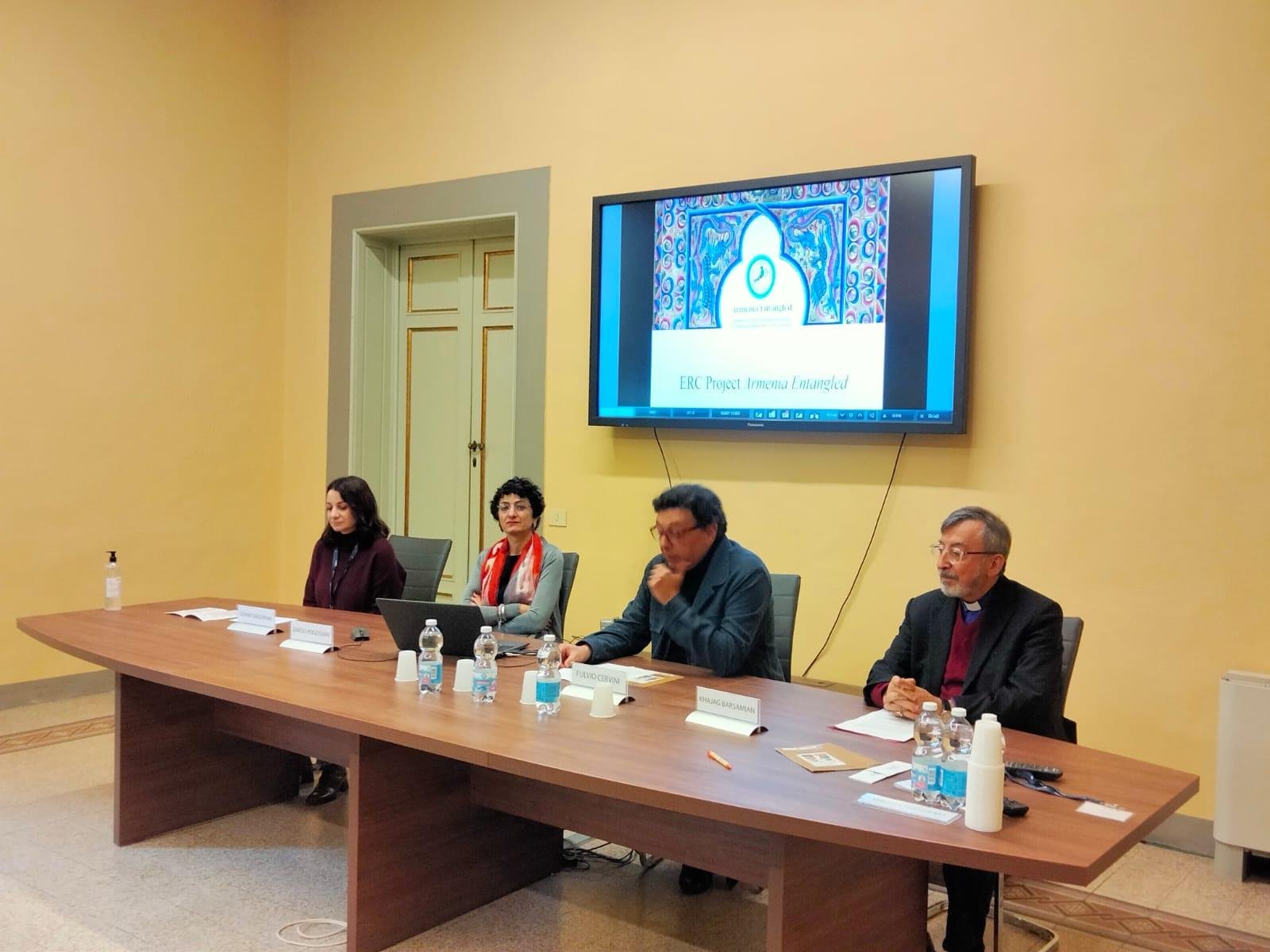
The University of Florence’s SAGAS Department welcomed distinguished scholars from around the world for the International Conference on Armenian and Georgian Women Patrons (IX-XIV centuries), held from November 24th to 25th.
The conference, organized by Dr. Zaroui Pogossian, Associate Professor of Byzantine Civilization at the University of Florence and the Principal Investigator of a European Research Council (ERC) Project Armenia Entangled: Connectivity and Cultural Encounters in Medieval Eurasia (ArmEn), and Dr. Gohar Grigoryan, Art Historian and Codicologist, a member of the ERC project ArmEn, explores the historical roles and legacies of women as cultural and religious patrons in Armenia and Georgia between the 9th and 14th centuries.
Scholars representing leading academic institutions in Germany, Italy, Georgia, Armenia, the United States, Turkey, and France have convened to present new research and foster meaningful dialogue on this often-overlooked subject. Dr. Fulvio Cervini, Director of the SAGAS Department, welcomed participants in his opening address.
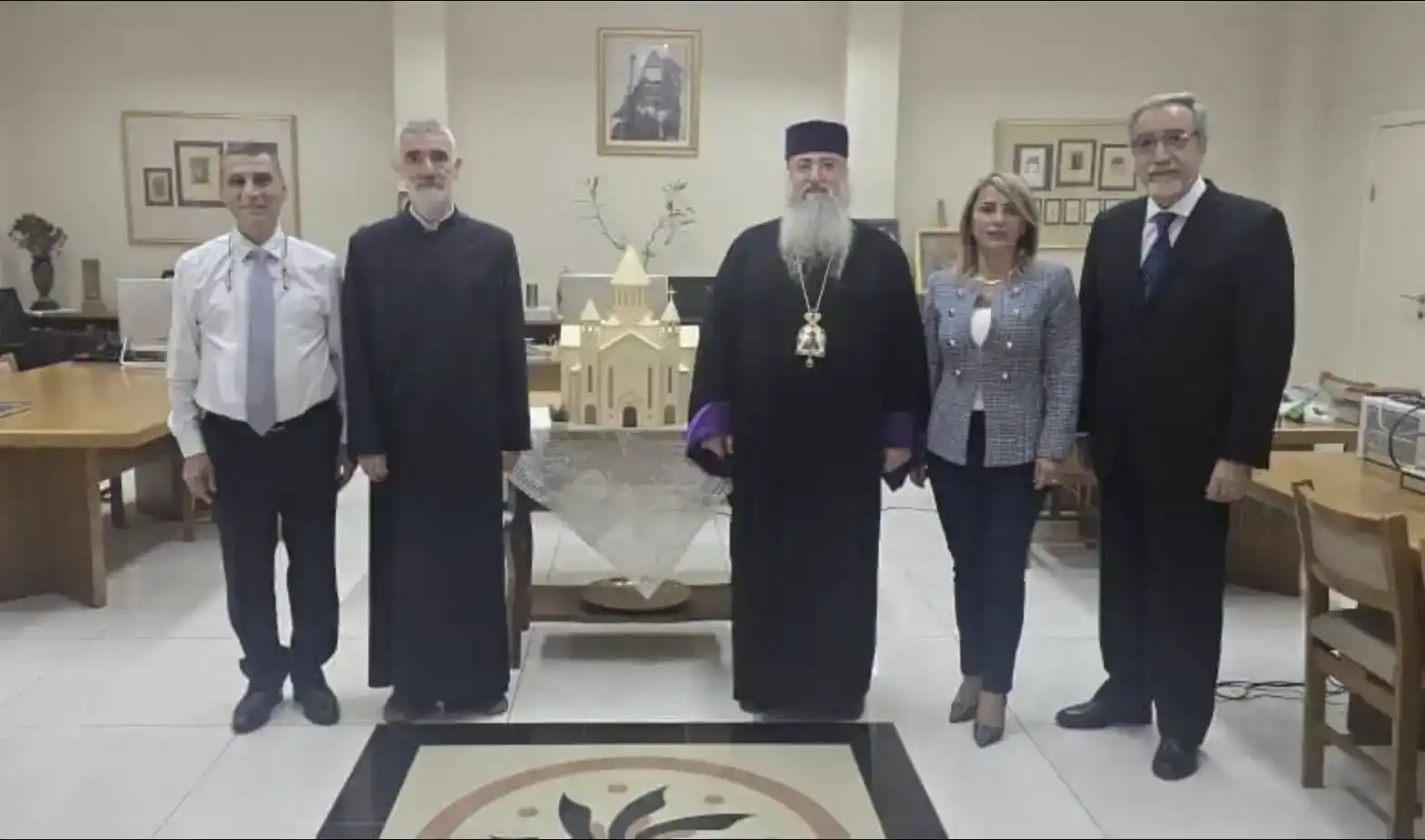
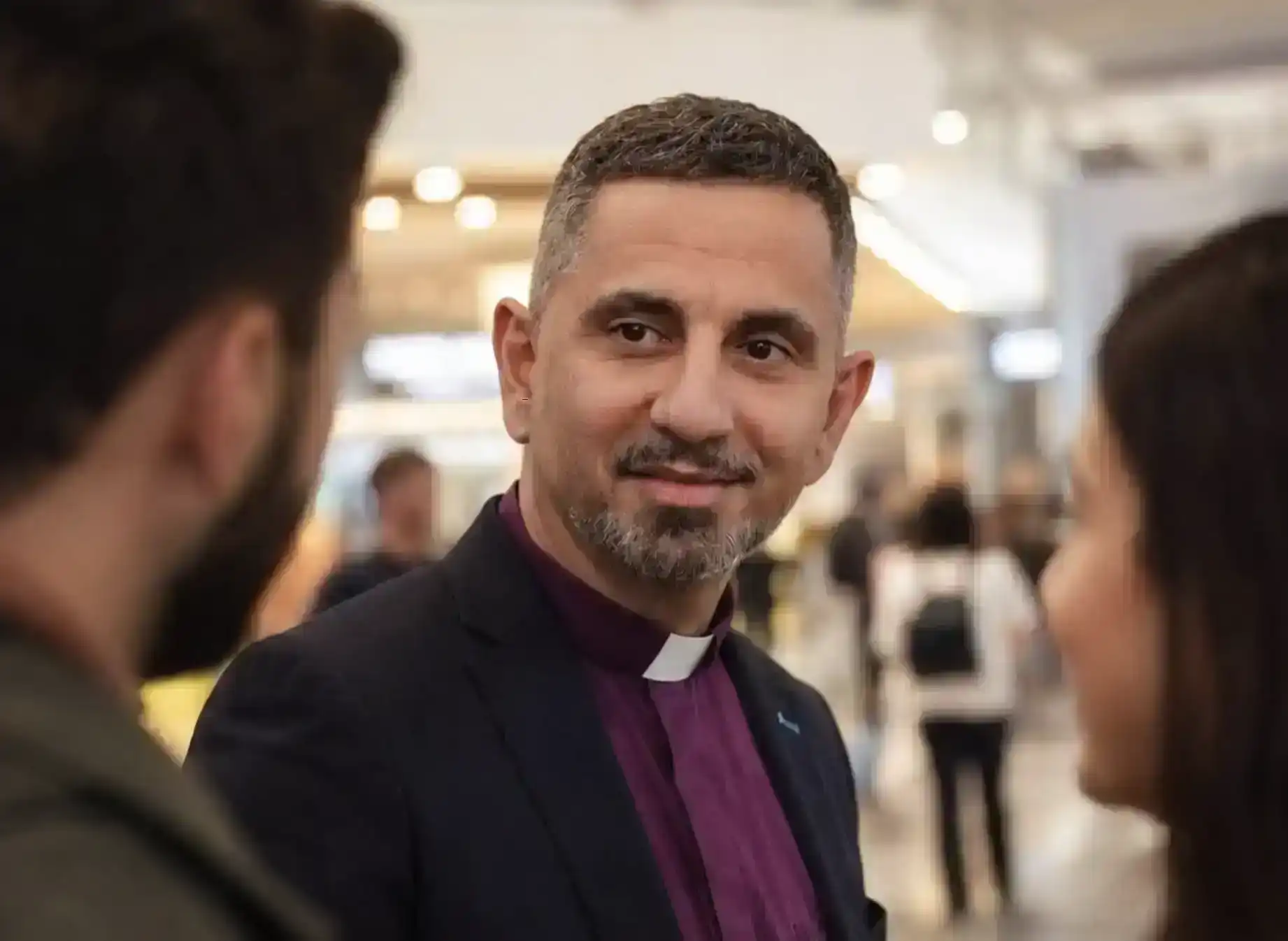
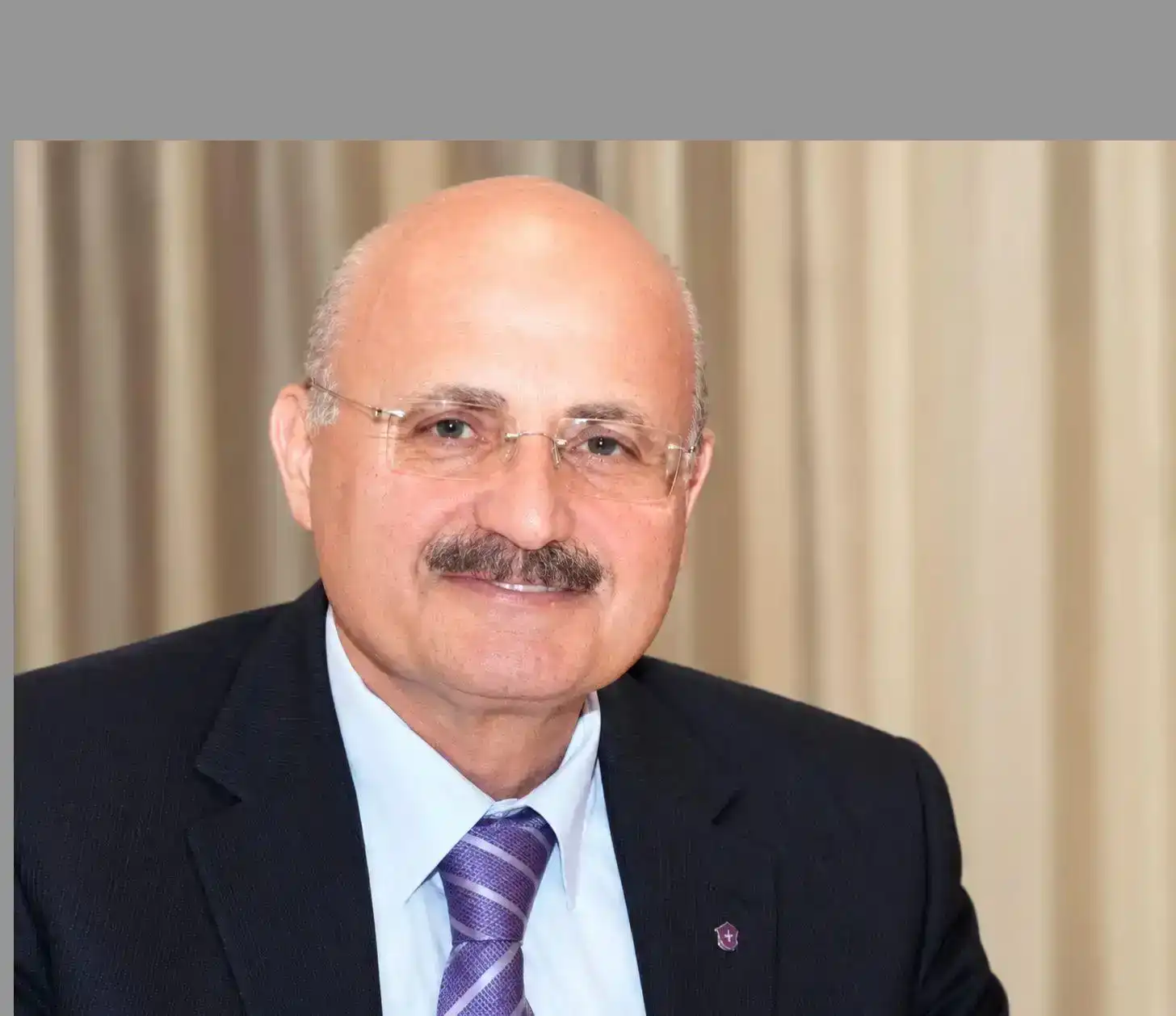
The Archbishop Khajag Barsamian, Pontifical Legate of Western Europe and Representative of the Armenian Church to the Holy See, delivered keynote remarks highlighting the significance of exploring topics connected to women patrons. He expressed his deep gratitude to the organizers for gathering a diverse assembly of international scholars. Archbishop Barsamian underscored the importance of "illuminating the complex role of women in the Armenian and Georgian Christian traditions," noting that the research presented at this conference is crucial for a fuller understanding of the region’s history.
Reflecting on scripture and history, Archbishop Barsamian highlighted how, in the New Testament, "women are not merely background figures, but central participants in the unfolding of salvation history." He also drew attention to the profound impact of women as patrons of churches, monasteries, educational initiatives, and works of art in Armenia and Georgia from the 9th to 14th centuries. The Archbishop noted that women were not just supporters, but active leaders whose dedication and insight shaped societies.
He concluded by acknowledging that the legacy of these women patrons remains "underrepresented or misrepresented in both traditional historiography and modern discourses." Therefore, he emphasized the importance of such international gatherings for shedding light on overlooked chapters of history and for recovering the voices of women whose stories have too often been forgotten.
The two-day conference continues with scholarly presentations and discussions aimed at deepening understanding of the pivotal role of women in the historical and cultural development of the Armenian and Georgian Christian worlds. https://www.armen.unifi.it/p86.html
1.jpeg)