10.09c
Երեվան
չրք, հկտ 14


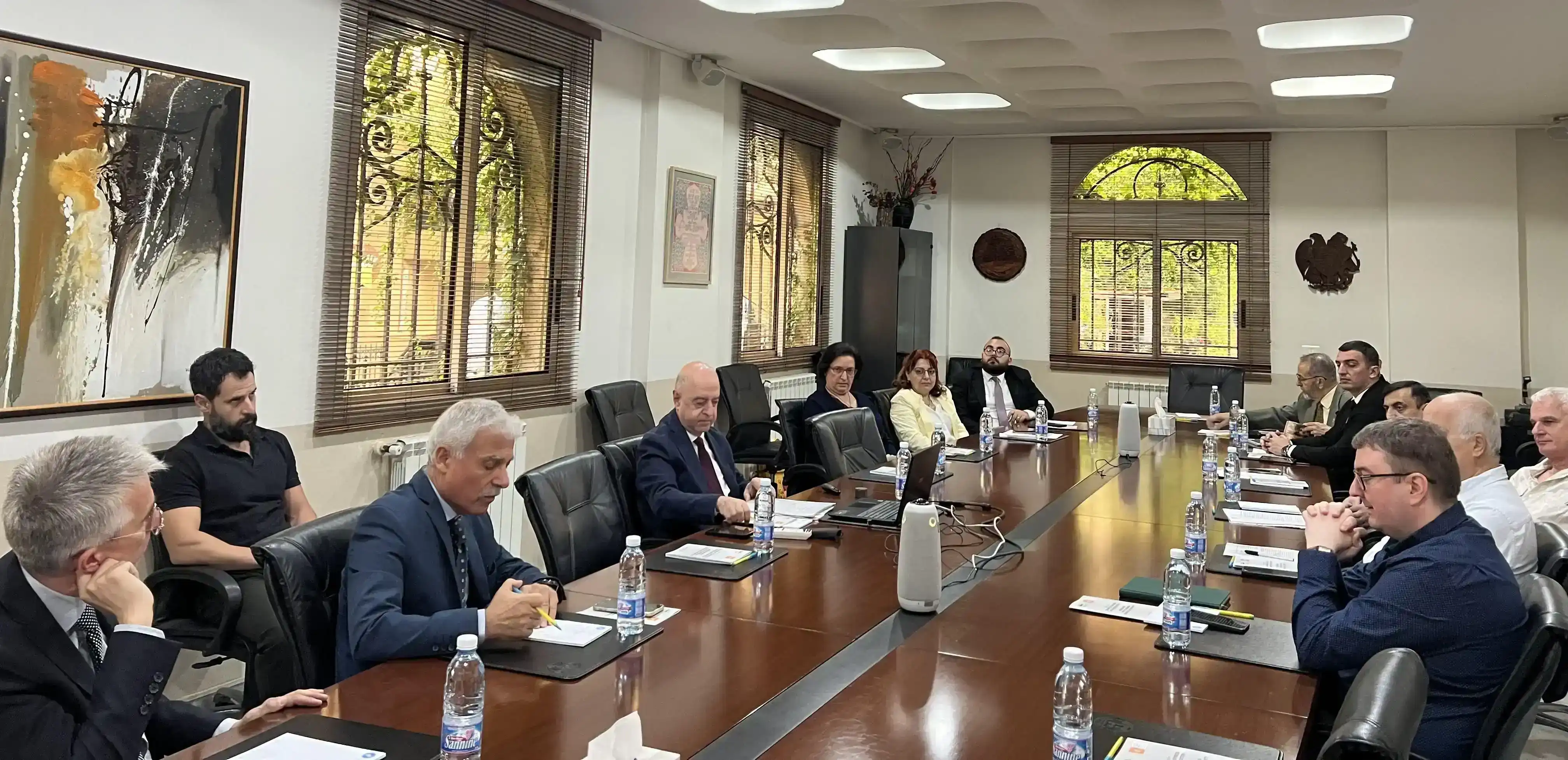
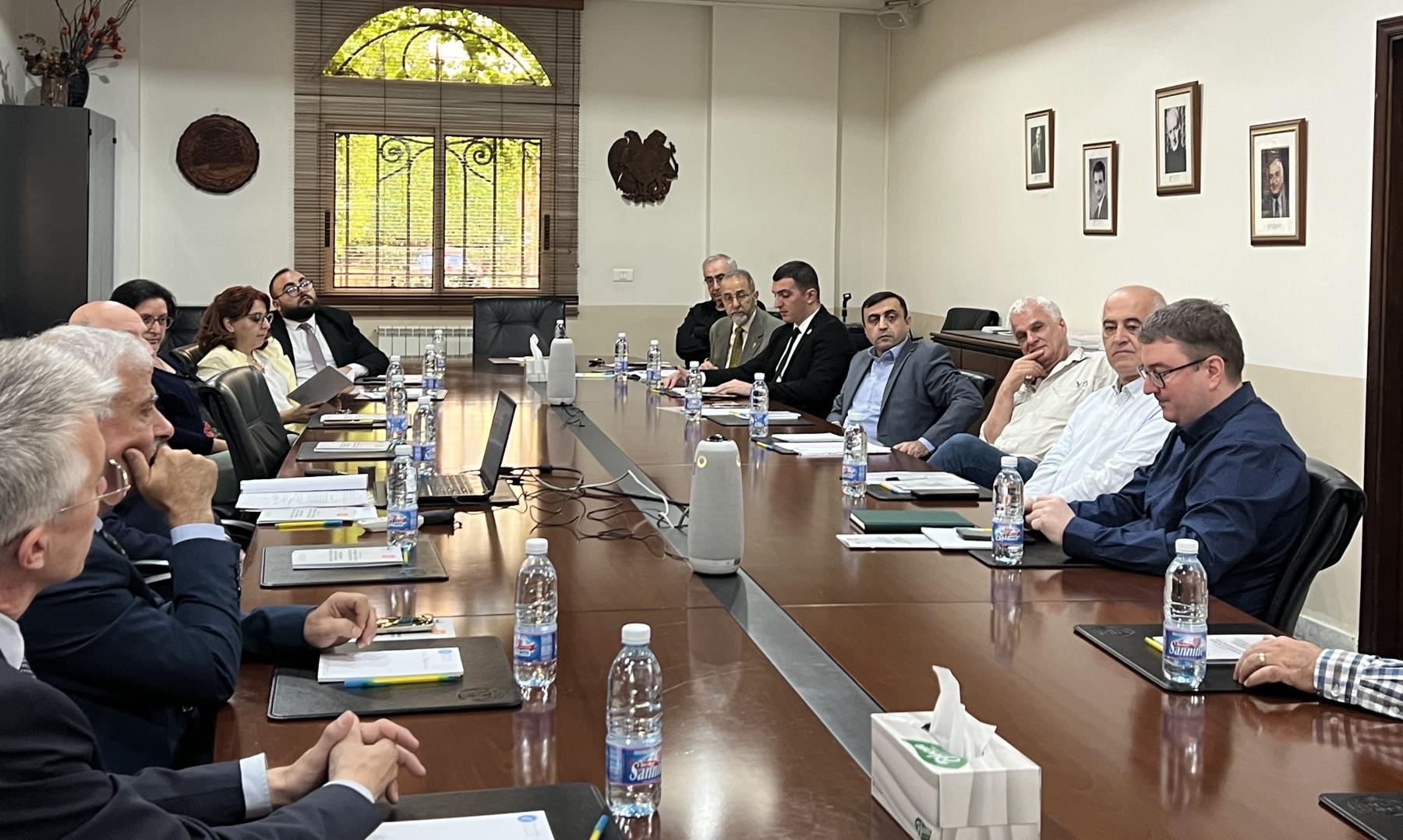
Haigazian University hosted the conference “Networks to Witness and Reconstruction: Missionaries and the Armenian Evangelical Community” on Wednesday, October 7, 2026, jointly organized by Lepsiushaus Potsdam and the Armenian Diaspora Research Center at Haigazian University.
The one-day conference brought together scholars and researchers from different academic and institutional backgrounds to examine the history of missionary engagement among Armenians, the development of Armenian Evangelical communities, and the humanitarian networks that emerged in response to persecution, the Armenian Genocide, and its aftermath.
In his welcoming remarks Prof. Antranig Dakessian, Director of the Armenian Diaspora Research Center (ADRC), expressed his pleasure at the Center’s resumption of its active academic work. He referred to the recent conference jointly organized in Yerevan by Khachatur Abovian Armenian State Pedagogical University and Haigazian University, noting that the present conference follows in the same spirit of academic collaboration. Prof. Dakessian thanked Dr. Roy Knocke, Director of Lepsiushaus Potsdam, for his dedication and efforts in jointly organizing the conference, expressing hope that the partnership would continue to flourish in the years ahead.
For his part, Dr. Knocke expressed his satisfaction that the conference, which had been postponed due to the situation in Lebanon, was finally taking place. He also welcomed the speakers and expressed optimism about the future of the collaboration between the two institutions.
Opening Session: Missionary Engagement and Armenian Communities
Rev. Dr. Paul Haidostian, President of Haigazian University, opened the first session with his presentation, “Missionaries among Armenians: Encounters, Institutions, Images, and Family Legacy.” Drawing on his family’s history, he traced the intersections of missionary, educational, and humanitarian engagement among Armenians, highlighting their contribution to the development of Armenian Evangelical life and the institutional legacy of Haigazian University and the Near East School of Theology.
Dr. Peter E. Makari, Global Relations Minister for the Middle East and Europe at Global Ministries of the United Church of Christ, joining over zoom presented “Mission and Accompaniment in a Time of Genocide.” His presentation explored missionary responses to the Armenian massacres of 1894–1896 and the Armenian Genocide, examining the meaning of missionary accompaniment during genocide and its relevance to contemporary conflicts and humanitarian crises.
Prof. Antranig Dakessian, Director of Haigazian University’s Armenian Diaspora Research Center, presented “Negotiating the Self-Proclaimed Mission of Two Periodicals: The First Steps of Shdemaran Bidani Kideliats (Smyrna, 1839) and Pazmaveb (Venice, 1843).” His study examined the early issues of the two periodicals, highlighting their role in extending beyond religious instruction to disseminate educational, social, historical, and scientific knowledge and connect Armenian communities with the wider world.
Second Session: Missionary Witnessing, Rescue, and Relief amid Genocide
Dr. Roy Knocke, Director of Lepsiushaus Potsdam, presented “Johannes Lepsius as a Historiographer of Genocide.” He examined the writings of theologian and humanitarian Johannes Lepsius, highlighting their documentation of violence, historical and political analysis, moral condemnation, and the role of international evangelical networks in gathering and disseminating information about the Armenian Genocide.
Mr. Mihran Minassian, senior researcher at the Armenian Genocide Museum-Institute, presented “Karen Jeppe’s Orphan Collection Accomplishments in Aleppo.” He highlighted Danish missionary Karen Jeppe’s humanitarian work and that of Armenian orphan collectors in rescuing and reintegrating Armenian women and children dispersed among Arab tribes after the Genocide, emphasizing their dangerous missions and the sheltering of hundreds of survivors in Aleppo.
Dr. Hilmar Kaiser, historian and researcher at the University of Bern, presented “Relief Missions During the Days of Slaughter: The Aleppo Relief Network and the Der Zor Massacres.” His presentation highlighted the central role of the Armenian Evangelical community in organizing relief networks across Syria, Europe, and the United States, as well as efforts to assist deportees in the Der Zor region before the massacres brought organized relief work there to an end.
Dr. Hayk Martirosyan, Research Associate at Lepsiushaus Potsdam, presented “The Rohner Family in the Ottoman Empire: Commitment to Caring for Orphans, Education, Evangelism and Rescue.” He traced the Rohner family’s engagement with Armenian communities in the Ottoman Empire, emphasizing their contributions to orphan care, education, evangelism, and rescue efforts during the Adana massacres and the Arme
.JPG)